What Custom Dolibarr Work Teaches About Business Software
Lessons from ERP templates, modules, deployment work, and client-specific customization.
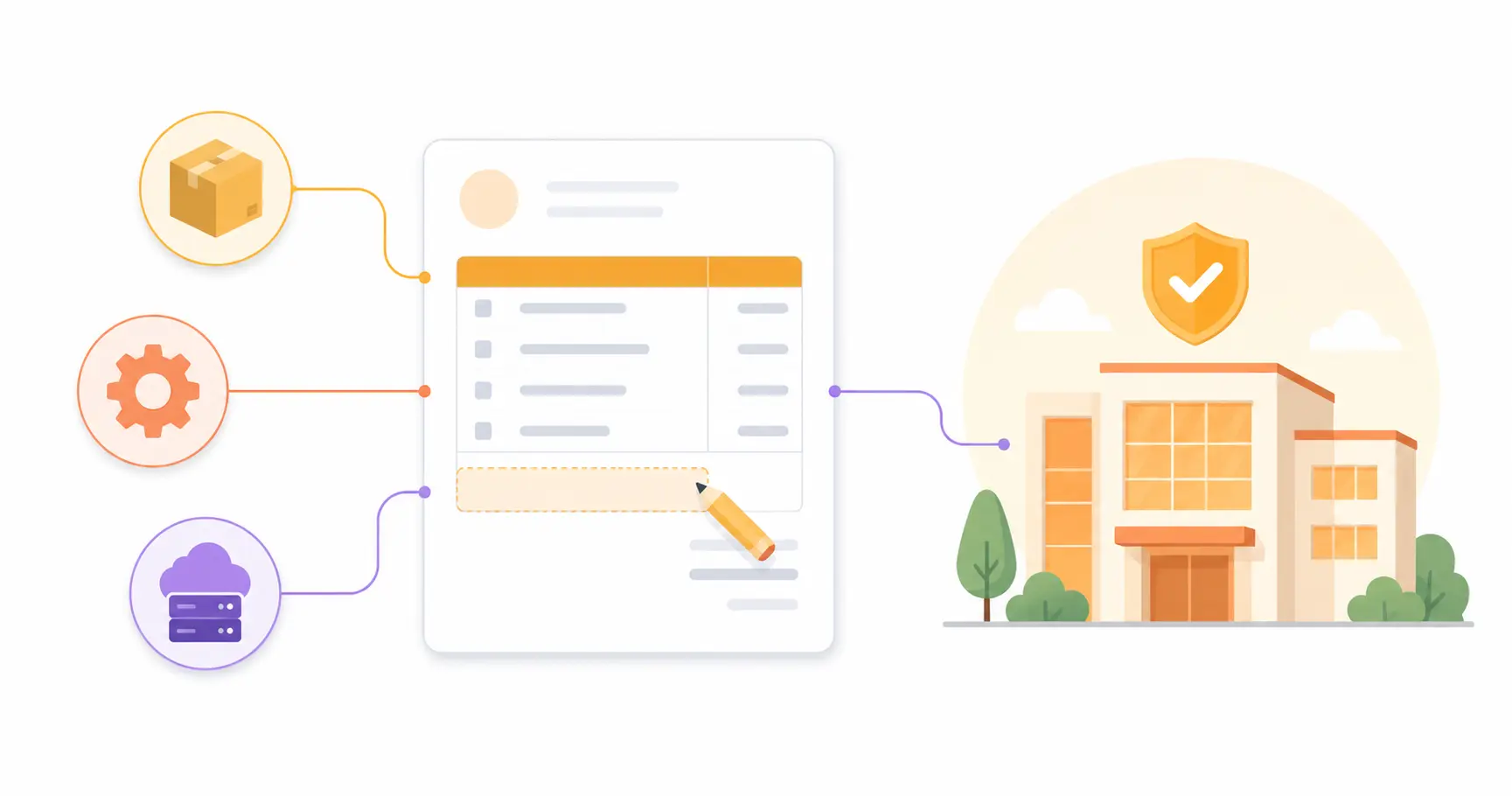
Custom Dolibarr work changed how I think about business software. When people talk about software engineering, they often focus on new products, greenfield systems, and elegant architecture. ERP customization is different. It puts you in direct contact with the messy middle of real businesses: invoices that must match an existing paper format, approvals that follow unwritten habits, hosting environments with practical constraints, and teams that care less about technology choices than whether Monday morning operations keep moving.
I've done this work on both sides - as freelance engagements for individual clients, and as ongoing work at Iquester Solutions LLP. The task list looks the same either way: fix a bug that's blocking an approval, rebuild a PDF template, rewrite an email flow, move a client's hosting to a new server, patch an external module through a version upgrade without breaking it. None of it is glamorous, and that repetition across different clients is exactly what turned it into a pattern instead of a one-off war story.
That is exactly why it is valuable. Dolibarr sits close to accounting, inventory, orders, proposals, PDFs, emails, and operational records. When you customize it for actual clients, you stop thinking of software as a pure product exercise and start seeing it as negotiated infrastructure. The lessons are useful far beyond Dolibarr itself.
Business Software Lives or Dies on Fit
The first lesson is simple: business software is rarely judged by originality. It is judged by fit. A company already has invoice expectations, sales stages, approval flows, vendor habits, and reporting rituals. Even when those processes are imperfect, the software has to meet them where they are before it can improve them.
In custom Dolibarr work, that usually shows up in requests that sound small but are strategically important: move these fields on the PDF, include this tax breakdown, add this approval status, change this email wording, hide this action for some roles, fix the bug that silently breaks an approval on Fridays, or create a module that reflects how this one company tracks a business event. None of that sounds glamorous. All of it determines whether the software is adopted or bypassed.
Templates Are Not Cosmetic
PDF templates, document layouts, and printed outputs taught me that presentation is operational logic. In ERP systems, a template is not just a visual concern. It is the interface between the system and the outside world: customers, vendors, warehouse staff, accountants, and managers.
Building a PDF template requires some PHP knowledge.
If a quotation template misses the fields sales teams rely on, the team exports data manually. If an invoice format does not align with how accounts review information, someone edits the result outside the system. If a delivery note is hard to scan during fulfillment, warehouse friction increases immediately. A template problem often becomes a workflow problem.
That changes the engineering mindset. You do not treat template work as an afterthought. You treat it as a critical business surface where layout, data selection, formatting rules, and conditional rendering directly affect operational trust in the system.
Modules Teach You Where the Real Abstractions Are
Add your own menu entries. Add a new document template.
Client-specific module work is where you discover whether you actually understand the business problem. A request may begin as, can you add one more field, or can we automate this action. But once you trace the request through the lifecycle of a record, you usually find a deeper pattern: a missing state model, a business rule that belongs in one place, or a recurring process that deserves its own module boundary - which is when it graduates from a patch into an external module built specifically for how that client operates.
Good customization is not endless patching. It is recognizing when repeated exceptions are really the shape of a new feature. The lesson here is architectural: business abstractions do not always appear first in database design or class diagrams. Sometimes they reveal themselves only after several rounds of real client requests. ERP work trains you to watch for that moment.
Deployment Work Is Part of the Product
The module need to be externally activated each 5 minutes.
Another lesson from Dolibarr work is that deployment is not separate from software quality. In business systems, hosting changes, file permissions, upgrade paths, cron behavior, email configuration, and environment differences can break just as much value as a code bug can. Dolibarr's own Scheduled Jobs module documentation and email setup guide show how much operational behavior depends on correct environment configuration. Moving a client's Dolibarr instance to a new host is not a copy-paste job - cron-driven tasks like recurring invoices and scheduled emails have to survive the move untouched, or the business finds out at the worst possible moment.
A feature is not truly delivered when the code is written. It is delivered when the client environment runs it safely, existing records remain intact, PDFs still generate, scheduled jobs still execute, and users can continue work without confusion. That makes deployment discipline a core engineering skill, not an operational afterthought.
| Concern | Looks minor at first | What it actually affects |
|---|---|---|
| Template override | Just a PDF change | Billing accuracy, customer-facing documents, team trust |
| Permission setup | One role tweak | Who can approve, edit, export, or bypass process |
| Module install | Add one feature | Upgrade safety, hooks, data flow, future maintenance |
| Server migration | Move hosting | Availability, file access, mail delivery, scheduled tasks |
| Version upgrade | Routine maintenance | Compatibility, regressions, custom overrides |
Customization Has to Respect Upgrade Reality
Be sure your external modules are compatible with the new version before updating.
One of the fastest ways to create long-term pain in ERP work is to customize without thinking about future upgrades. A change that solves today's problem but fights tomorrow's version is not cheap. It creates maintenance debt that compounds every time the client wants security updates, new features, or environment changes.
That is why disciplined customization matters. The official module development guide and installation-upgrade documentation both push you toward extension-minded changes instead of careless core edits. You prefer extension points over core hacks where possible. You keep the change surface understandable. You separate local business rules from framework behavior. You document what was changed and why. Business software has a long life, and the code should behave like it knows that.
Users Rarely Ask for What They Literally Need
ERP clients often describe solutions instead of problems. They ask for a button, a checkbox, another column, or a duplicate screen because that is the most concrete thing they can point to. But underneath the request is usually a coordination issue, visibility gap, or policy exception that the software currently does not represent well.
Custom Dolibarr work taught me to translate requests carefully. When someone asks for one more field, the real need may be auditability. When they ask for a custom status, the real need may be handoff clarity between departments. When they ask for a new PDF block, the real need may be compliance or customer communication. Good business software work starts by interpreting operational intent, not just implementing literal wording.
Reliability Beats Cleverness
There is a humbling quality to ERP customization. Nobody thanks a system for being theoretically elegant if it produces the wrong invoice, breaks after an upgrade, or confuses staff during order processing. Reliability wins. Predictable behavior wins. Clear document outputs win. Maintainable extension patterns win.
This does not mean architecture stops mattering. It means architecture should serve operational steadiness. The most valuable code in business software is often the code that reduces rework, lowers ambiguity, and keeps teams from leaving the system to finish tasks manually.
What Dolibarr Work Changed for Me
Working on Dolibarr made me more respectful of existing business behavior, more careful about upgrade-safe customization, and more aware that templates and deployments are product work, not side chores. It reinforced a broader principle I now carry into other systems as well: software succeeds when it fits the operating reality of the people using it.
That is the deeper lesson. Business software is not only about building features. It is about encoding process without breaking the business that depends on it. ERP customization makes that impossible to ignore, and that is exactly why it teaches so much.